
To plan a first date in NZ, choose a public venue that suits both people’s energy, access needs and conversation style, then settle travel, timing and a weather backup before the day. A short daytime or early-evening meet-up with independent transport gives each person room to arrive comfortably and leave when they need to. Confirm the meeting point, expected spend, food plans and likely duration in one straightforward message.
The best first-date plan fits the people rather than the trend
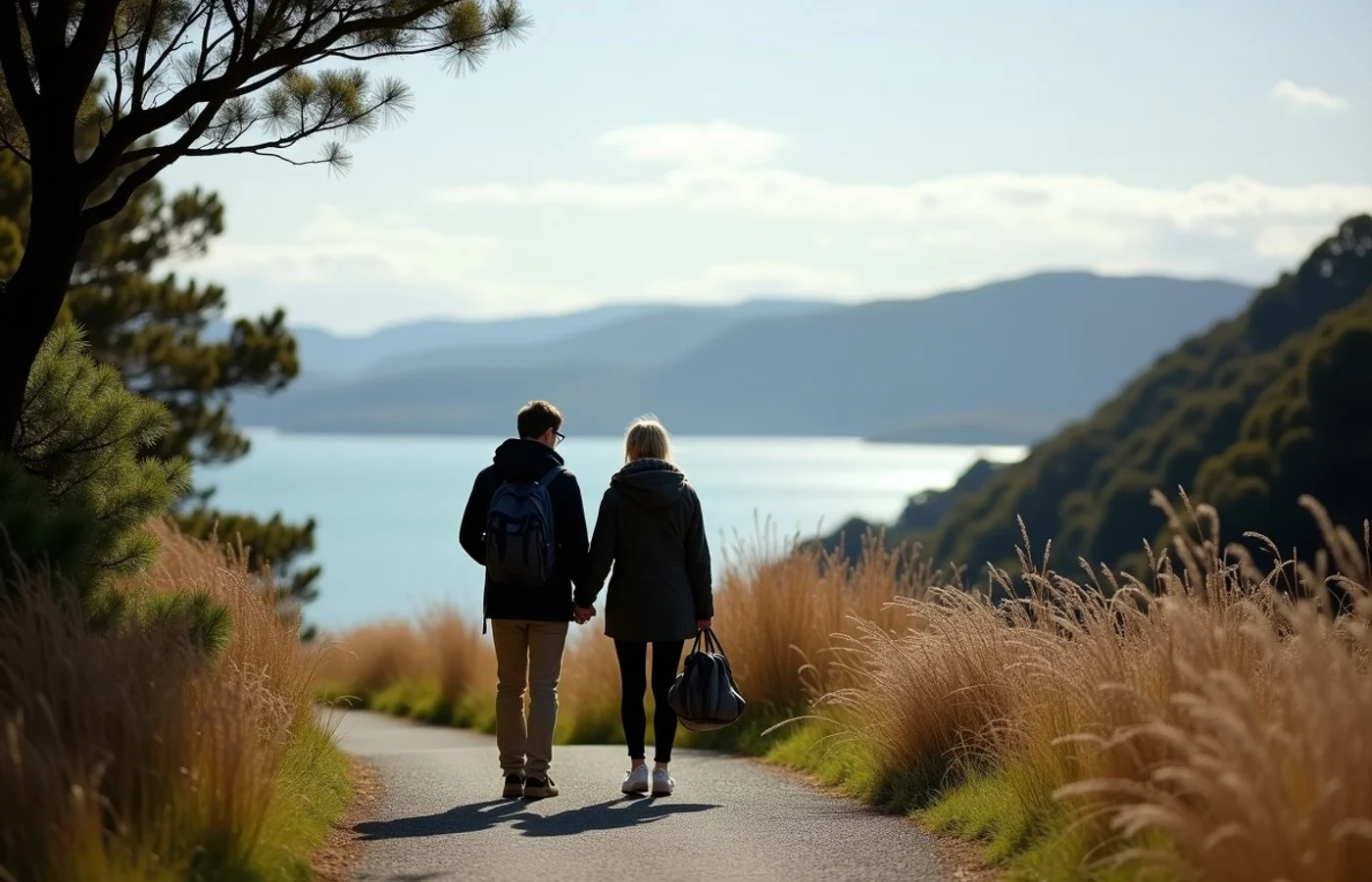
To plan a first date in NZ, start with the two people’s shared interest and available energy, then screen the idea for access, cost and comfort. A short daytime catch-up suits two people who want an easy first conversation; a longer activity suits people who already know they enjoy doing something together. Choose something that leaves room to talk, not an outing that asks either person to perform enthusiasm for an unfamiliar trend.
Name the constraints before settling the plan. One person may be finishing a shift, managing limited walking or standing, avoiding alcohol-centred dates, watching spending, or needing a quieter setting to hear and concentrate. Those details are planning information, not a burden. “Would a low-key coffee and a short walk work for you, or would you prefer somewhere we can sit?” gives the other person an easy way to state a preference without explaining more than they want to.
Set the first plan at a scale that matches the least certain part of the arrangement. When you have only exchanged a few messages, a brief public meet-up with a natural endpoint is usually a better fit. When both people are keen on an activity, choose one that suits the lower energy level and smaller budget. That leaves room for connection without locking either person into a plan that is hard to enjoy.
Travel details should be settled before the day
- Name one exact meeting point, not just a suburb, park or shopping area. “By the main entrance at 6.15 pm” leaves far less room for two people waiting at opposite ends of a large site.
- Confirm the arrival time alongside the plan. Build in the walk from the bus stop, train station or parking area, especially where the meeting point is inside a complex or set back from the street.
- Compare the route each person expects to use. Mention parking if driving is likely, the nearest public-transport stop if relevant, and any walk that involves hills, uneven ground, stairs or a poorly lit path.
- Keep a mobile contact method available for the day. A short message such as “I’m here, near the entrance” solves the common problem of arriving on time but not spotting each other.
- Agree on the delay plan before either person is running late: send an update as soon as you know, give a revised arrival time, and say whether the other person should wait or head home if the delay becomes too long.
Outdoor plans need a realistic alternative in New Zealand conditions
Outdoor dates work best when the alternative is chosen at the same time as the main idea. Pair a beach walk, garden visit or market browse with a nearby covered option where you can sit and continue talking. Check that the backup is open at the intended time and does not require a commitment you would regret if plans change. The backup should suit the same energy level: moving from a short walk to a hot drink is a smoother shift than turning it into a long indoor activity.
Set a weather decision point before the day, such as the evening before for a daytime date or several hours ahead for an after-work plan. This avoids both people watching the forecast and wondering who will decide. Strong wind, persistent rain, cold conditions, or a forecast that makes the outdoor activity unpleasant are enough reason to switch; you do not need to wait for a downpour.
Send one definite update when the plan changes: “The weather looks rough for the walk, so I’m switching us to the covered option at the same time. Does that still work for you?” A reply that it does not work is useful information, not a problem to solve on the spot.
Venue features can make conversation much easier

Choose the setting by the conversation you hope to have. A café offers fixed seating and a simple focus, though music, queues and tightly packed tables can make hearing or privacy difficult. Check whether chairs have backs, table spacing works for a mobility aid, and the entrance and toilet suit the access needs discussed.
Parks give room to walk side by side and feel less formal, but seating may be scarce, paths uneven and weather exposure high. Galleries provide shelter, occasional benches and natural discussion prompts; they suit people who welcome pauses in conversation. Markets bring variety, but crowd noise and stop-start movement often limit sustained talk.
An activity venue gives you something to do when nerves are high, yet its noise, rules or physical demands can dominate the date. Pick one only when both people are comfortable with it. For a first meeting centred on getting acquainted, a seated venue with enough room to hear each other is often the stronger choice.
Time and money expectations prevent avoidable awkwardness
Set a loose finish time when you confirm the plan. “Shall we meet at 6 and plan on an hour or so? I’ve got an early start tomorrow.” This gives both of you a natural stopping point without treating the date as a test of endurance. A shorter first meeting also leaves room to continue another day when the conversation is flowing.
Food plans deserve the same directness. For a café date, say, “I’m thinking coffee and something small—does that suit?” For dinner, check appetite and timing first: “Would you prefer a meal, or keep it to a drink and a snack?” This avoids arriving with two different expectations about the scale of the outing.
Raise payment before the bill becomes a moment. “I’m happy to split this,” is enough; “I invited you, so I’d like to get this one” is equally fine. Accept the other person’s answer without pushing. When you both seem keen to stay, name the choice: “I’m enjoying this. Do you want to extend the date, or wrap up as planned?”
A simple exit plan protects comfort for everyone
For a first meeting, choose a public setting with other people nearby and a straightforward way to leave. A café, gallery or daytime market lets either person finish the date without needing to explain a long walk, a ride home or a move to another location.
Keep your arrival and departure separate. Meet at the agreed place, retain your own keys, phone and payment method, and use transport you control for the trip home. When the date began online or you do not know the person well, tell a trusted friend the venue, the expected finish time and how you will check in afterwards. That information is for your safety, not a report on the date.
Ending early does not require a fabricated emergency. “Thanks for meeting me; I’m going to head off now” is polite and complete. If you feel uneasy, leave promptly, move towards staff or other people, and contact someone you trust. A person who respects you will accept a no, a pause or a departure without demanding a further explanation.
Before sending the invitation, check that the proposed place has suitable seating and noise levels, that both routes work, and that the indoor fallback is easy to reach. Then offer a defined plan: where to meet, when to meet, how long you expect to stay and what will happen if the weather turns.