
Rural dating in New Zealand works best when you deliberately widen the pool, factor travel into the decision, and keep early contact private and safe. A match who looks nearby on a map may still require a long drive, limited transport, or involvement in a community where news travels quickly. Set boundaries for meeting places and personal details, then consider whether both people can maintain the time and cost. The aim is enough choice to make a sound decision, not to pursue every local connection.
Broaden your opportunities without treating every interaction as a match
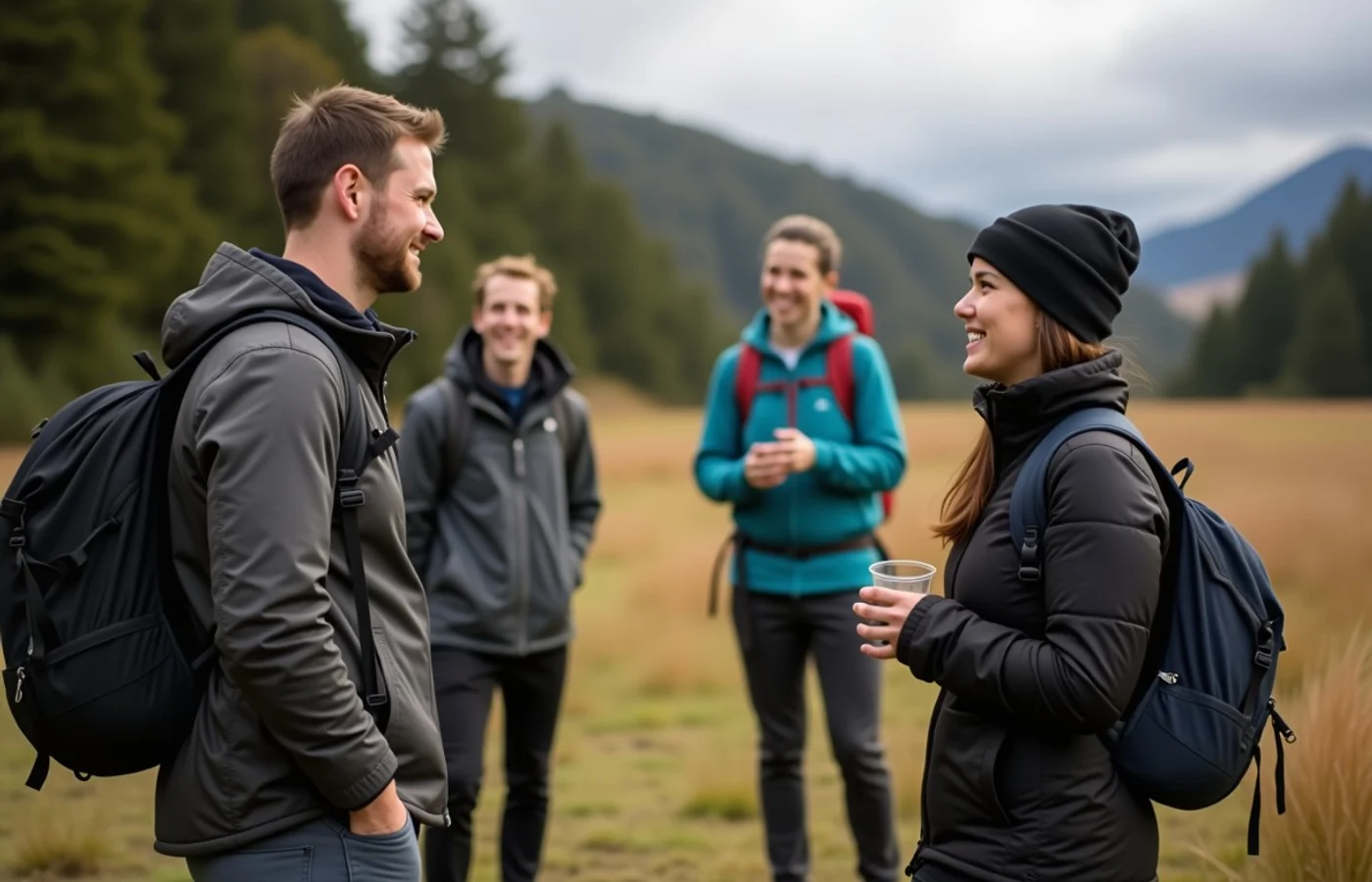
- Map the towns and communities already within your ordinary orbit: places you visit for work, errands, sport, study, family, volunteering or weekends away. Rural dating in New Zealand often works better when you widen the circle gradually than when you search for one perfect local option.
- Join activities because you would still value them without a date at the end. A club, class, community project or social event creates repeated contact and gives conversation a natural starting point. It also lets you see how someone treats others before deciding whether to pursue anything.
- Tell one or two discreet, trustworthy friends that you are open to being introduced. Be specific about what you are seeking—such as companionship, a committed relationship, or someone comfortable with rural life—while leaving room for their suggestion not to be a fit.
- Use dating apps and local social spaces as ways to start conversations, not as a reason to force momentum. A match from a neighbouring community is simply someone to get to know; shared interests, availability and mutual interest still matter.
- Keep your standards intact as the pool expands. Familiarity, a mutual connection or a shortage of alternatives is not a reason to overlook poor communication, disrespect, or incompatible expectations. Declining a connection politely preserves both your choice and the wider community’s goodwill.
Set an app radius that reflects roads, not straight-line distance
For rural dating in New Zealand, an app’s kilometre radius is only a starting point. Set it from the door-to-door journey you would genuinely accept for an initial run of dates, using ordinary road routes and typical departure times, not the map’s direct line. A match 60 kilometres away may involve a slow road, while a shorter-looking connection may depend on a ferry timetable.
Before widening the setting, check a few likely routes and turn distance into hours. Include fuel in the cost of each trip, plus ferry fares where a crossing is involved. Decide what frequency fits your life: a journey you would make most weekends deserves a different radius from one reserved for an occasional free day. An 80-minute route that only works on a rare weekend should sit outside your default range, even if you would travel it for an exceptional date. Update the setting when your work, seasonal commitments or available transport changes.
Plan transport before agreeing to meet
Sort out the journey before setting a time. Each person should know how they will get there, how they will get home, and what happens if they decide to leave early. For an early date, keep independent transport wherever possible; being collected from home or relying on the other person for the return trip creates pressure that does not belong in a first meeting.
Build the plan around the return journey, not just the arrival. Check whether the route remains suitable after dark, whether weather could affect a road or crossing, and whether either person will be too tired to drive safely after a long day. A daytime meeting with a firm finish time is often the sounder choice when travel is substantial.
Name the travel split before either person sets off. One person might drive farther this time because the other has an early start; next time, the arrangement can reverse. Where a delay or cancellation would leave someone stranded, reschedule instead of asking a new date to provide accommodation or solve the transport problem. Keep a charged phone and enough fuel or fare for the trip home.
Protect personal information in a close-knit community

In a small community, a first name and a broad description are enough at the start. You do not need to name your employer, give your home address, share a regular work pattern, or explain which property is yours. Keep profile photos free of visible house numbers, vehicle plates, workplace signage, or details that identify children or family members.
Mutual contacts deserve tact. A match may mention knowing someone you know; acknowledge the connection without confirming private details about that person or inviting them into the conversation. You also control who hears that you are dating. Tell friends what support you want, and be direct if you do not want your dating life discussed at work, in a club, or around town.
As trust develops, share information in stages. Someone who presses for your address, workplace, or social circle before you are ready is showing poor respect for a boundary. A simple response—"I keep those details private until I know someone better"—is enough.
Make early meetings public even when venues are scarce
Choose a place with other people nearby and staff or regular visitors present: a café, library, market, sports-club event, or community facility during its normal opening hours. Daylight is preferable, especially for a first meeting in an unfamiliar area. Keep the first catch-up short enough to leave comfortably if the conversation feels wrong.
Before leaving, send a trusted person the meeting location, the other person’s first name, and the time you expect to finish. Arrange a check-in message or call, and agree what they should do if you miss it. Use your own phone and keep enough battery for contact.
When the area has no suitable public venue, do not move straight to either person’s home or an isolated outdoor spot. Start with a video call, then choose a busy event or shared community setting for the first face-to-face meeting. A second person nearby, even without joining the date, adds an extra layer of reassurance.
Work out whether the distance can remain practical
Distance remains workable when the effort is shared and the arrangement fits both people’s lives. Notice who usually starts conversations, proposes visits and absorbs the travel expense. A connection becomes difficult when one person repeatedly pays for fuel or fares, gives up rest days, or travels across the region while the other rarely reciprocates. Discuss the financial limit before regular visits begin; neither person should feel indebted because dating requires costly journeys.
Communication matters as much as geography. Agree on a contact pattern that suits both schedules, then see whether each person follows through. Shift work, seasonal employment, family responsibilities and weak mobile coverage can all affect availability. A delayed reply is not automatically a problem; repeated silence without explanation, cancelled calls or constant uncertainty about the next conversation are harder to sustain.
Review the arrangement after several visits instead of letting inconvenience accumulate. Ask whether the time, money and energy still fit, whether both people have comparable freedom to travel, and whether conversations remain dependable between meetings. If one person is carrying the relationship, or every visit creates financial strain, pause before promising more. The distance is sustainable only while both people can support it without resentment, and both are willing to change the arrangement when circumstances change.
Before arranging a second or third meeting, compare your travel limits, available time, transport options, and comfort with being known in each other’s communities. A connection deserves further effort when both people contribute to those arrangements without pressure or resentment.