
To meet singles in New Zealand, combine one recurring activity with one broader channel: join a sports, hobby, outdoor, cultural, or class-based group; attend community events or volunteer; tell trusted friends you are open to introductions; and use a dating app alongside in-person options. Auckland, Wellington, Christchurch, and Dunedin offer different activity networks, while smaller communities often reward wider travel and repeated attendance. Choose options that suit your interests, social energy, schedule, and preferred pace. Begin conversations about the shared activity, then follow up only when interest feels mutual.
Match your meeting strategy to your interests and social energy

To meet singles in New Zealand, choose two channels that fit the way you already spend time: one with repeat contact and one that gives you broader reach. That pairing creates more chances to meet compatible people without turning every spare hour into a search.
Structured settings suit people who prefer a shared focus and time for familiarity to build. Open events work for someone comfortable introducing themselves briefly to new people. An introduction through a friend brings some social context; a dating app suits a busy schedule, a smaller local pool, or a wish to state your relationship intentions early.
Match the channel to the connection you want. A weekly activity is well suited to meeting people who share an interest and pace. A one-off event is a low-commitment way to practise being social. Digital dating offers a direct route to other single adults, but requires regular messages and firm privacy boundaries.
Set a modest repeatable plan: attend one in-person setting twice a month and spend one defined session on an app or social outreach each week. After four to six weeks, retain the channel where conversations feel reciprocal and change the one that consistently drains your energy.
Recurring activities make natural conversations easier
Choose an activity you would still enjoy if nobody there became a date. In New Zealand, a regular setting gives people time to recognise one another, see how they participate, and discover shared interests without forcing an instant connection.
Team sport, a run or tramping group, a language or cooking class, a board-game club, a book discussion, choir, kapa haka group, or arts workshop all provide a subject beyond dating. Outdoor activities suit people who prefer side-by-side conversation; classes and hobby clubs give quieter people a task to discuss. Cultural organisations can also be a meaningful fit when shared heritage, language, or creative interests matter to you.
Pick one activity with a predictable rhythm and give it several attendances before deciding it is not for you. Arrive ready to take part, learn names, and speak with people across the group. Familiarity grows from showing up and contributing, not from treating every new acquaintance as a prospect.
Community participation can expand your social circle gradually
Purpose-led settings bring you into contact with people while giving the time a value beyond dating. A neighbourhood clean-up, food-bank shift, community garden working bee, animal-care role, or local festival team puts attention on a shared task first. Volunteering New Zealand is a national starting point for exploring roles that suit your interests and availability.
Commit to a cause you genuinely support and treat everyone there as a fellow participant, not a potential match. Help with the work, be reliable, and stay open to the wider circle that forms around it. Connections sometimes grow through familiar faces and shared contribution; they do not need to become dates to make your social life stronger.
For local starting points, Auckland Council, Wellington City Council, Christchurch City Council, and Dunedin City Council publish information about their communities and public spaces. Check their current listings for activities that align with your time, values, and ability to take part.
Friends, networks, and apps offer different kinds of reach
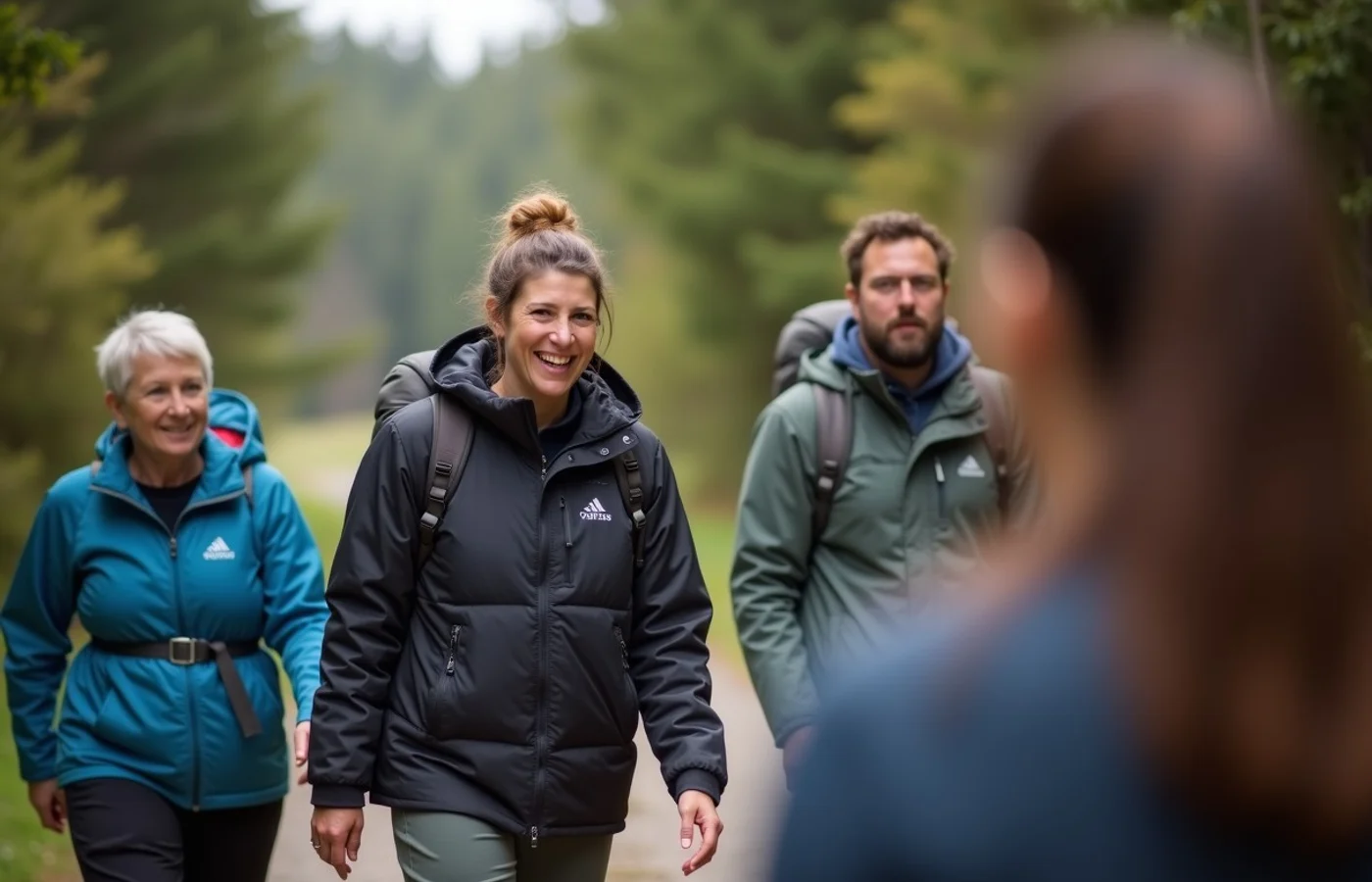
Introductions through friends, colleagues, former classmates, neighbours, or whānau bring useful context. A mutual connection may know that you share values or interests, and an introduction has less of the uncertainty of a cold approach. Tell trusted people you are open to meeting someone, without asking them to pressure anybody or pass on personal details without permission.
Dating apps widen your reach beyond the people already in your orbit, which suits a busy routine or a specific dating preference. They also require more screening: read for compatibility, keep early messages on the platform, and avoid sharing your home address, workplace details, or financial information. Netsafe offers New Zealand guidance on online safety and support.
Use both channels with a light routine: mention your openness to two people you trust, then set aside a limited time each week for app conversations. Match the effort to the response. A warm exchange deserves a direct invitation; silence, vague replies, or a refusal deserves no pursuit.
Your options may change between cities and smaller communities
Auckland, Wellington, Christchurch and Dunedin offer several neighbourhoods to draw from, yet travel still determines which connections can become familiar. Choose one or two areas you can reach on an ordinary weeknight and get home from comfortably. A monthly commitment at the far end of a city has a different social rhythm from something nearby that fits your routine.
Outside the main centres, events may occur less often and a trip to the next town can add fuel, time and weather considerations. Broaden the kinds of places you look: an outdoor interest, a local class, a community project, or a regional gathering may each bring a different mix of people. In smaller communities, social circles often overlap. Treat discretion and courtesy as part of the decision, especially when you may see the same people through work, family, sport or local events.
Set a travel radius that feels sustainable, then give your chosen route several attempts before judging it. Check local information from Wellington City Council or Christchurch City Council when planning a trip, since locations and programmes change. For people open to dating across a wider area of New Zealand, raise distance and transport expectations early enough to avoid building momentum around an arrangement neither person can maintain.
Turn a brief introduction into a respectful next step
Open with what is already happening: “How did you get into this?” or “I liked your point about that.” Give the reply room to develop. Interest usually shows in more than politeness: they add detail, ask something back, or keep the conversation going without looking for an exit.
When the exchange has been easy, name your interest without putting pressure on it: “I’ve enjoyed talking with you. Would you be open to swapping numbers?” Offer your own contact details so they choose whether to use them. On an app, keep early messages focused on shared interests and avoid sending private information before trust has formed.
A simple invitation is enough: “Would you like to grab a coffee next week?” A vague answer, a declined invitation, or no reply is an answer to accept gracefully: “No worries—nice to meet you.” Do not press for a reason or follow up repeatedly. For an online interaction that feels concerning, Netsafe offers New Zealand-specific safety information and support.
Choose two channels today: one recurring activity within a manageable journey and one wider route, such as a community role, introduction, or dating app. Check current information through your local council or Volunteering New Zealand, and give a promising activity more than one visit before deciding. Keep early contact respectful, protect personal details in online conversations, and contact New Zealand Police if a dating situation becomes unsafe.
Sources used for this guide
- Volunteering New Zealand — official information — Volunteering New Zealand
- New Zealand Police — official information — New Zealand Police
- Wellington City Council — official information — Wellington City Council
- Christchurch City Council — official information — Christchurch City Council
- Dunedin City Council — official information — Dunedin City Council
- Auckland Council — official information — Auckland Council