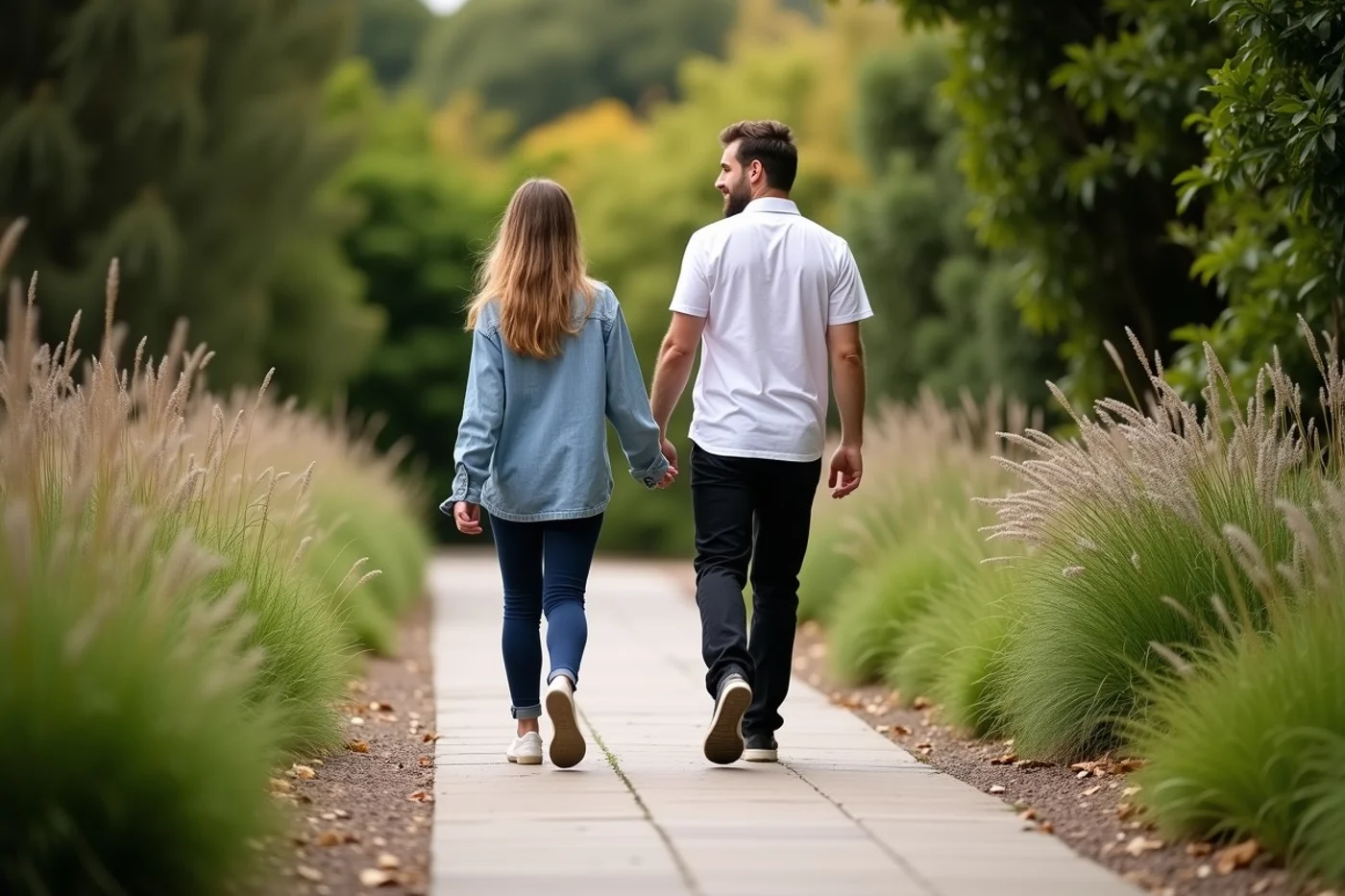
For a first date in New Zealand, choose a public activity that leaves room for conversation, suits both budgets and abilities, and can end after an hour or continue naturally. Coffee, casual food, an easy waterfront walk, a gallery, a market or a low-cost shared activity all work well. Check the forecast, travel time and access before confirming, then keep an indoor or shortened alternative ready.
A good first date makes conversation and leaving easy

Choose a format that gives both people room to talk without making the meeting feel like a commitment. A planned 60 to 90 minutes is usually enough to get a sense of the conversation, with the option to continue only if both people are enjoying themselves. A public setting with straightforward access also supports mutual comfort, especially when you have not met in person before.
Noise and pace matter more than novelty. A setting where you must compete with loud music, rush between activities, or concentrate on complicated instructions leaves little space for natural conversation. Shared attention is helpful when it gives you something to discuss, but the activity should not demand constant focus or physical confidence from either person.
Flexibility lets the date suit two different comfort levels. Look for a plan with a clear stopping point, an uncomplicated way to end, and enough structure to avoid awkward waiting. Agreeing on the meeting duration in advance removes pressure to stay longer. It also leaves room for either person to say they would rather finish there, without that choice being treated as a judgement on them. When selecting between options, prioritise ease of conversation, public comfort, and a straightforward end over an impressive setting.
Coffee, casual food, and short walks keep plans low pressure
Coffee is a dependable first meeting because each person can order a drink, settle into conversation, and leave after a short catch-up without creating a formal occasion. Pick a public café with seating and a straightforward layout. When the conversation is going well, add a snack or continue nearby; when it is not, finishing the drink provides a natural close.
Casual food suits people who prefer a little structure. Breakfast, lunch, a bakery stop, or a simple takeaway meal gives you something to do while you talk. Keep the choice familiar and the setting relaxed, especially when you do not yet know about dietary needs, allergies, or noise preferences. A full restaurant meal is less flexible, so reserve it for a pairing that already feels comfortable.
A short walk works well as an optional second part of either plan. Meet for coffee, then walk around nearby public streets or between two accessible points. That small change of scene prevents the date from feeling fixed while preserving an easy way for either person to finish after the first activity.
New Zealand’s outdoor settings create simple shared activities
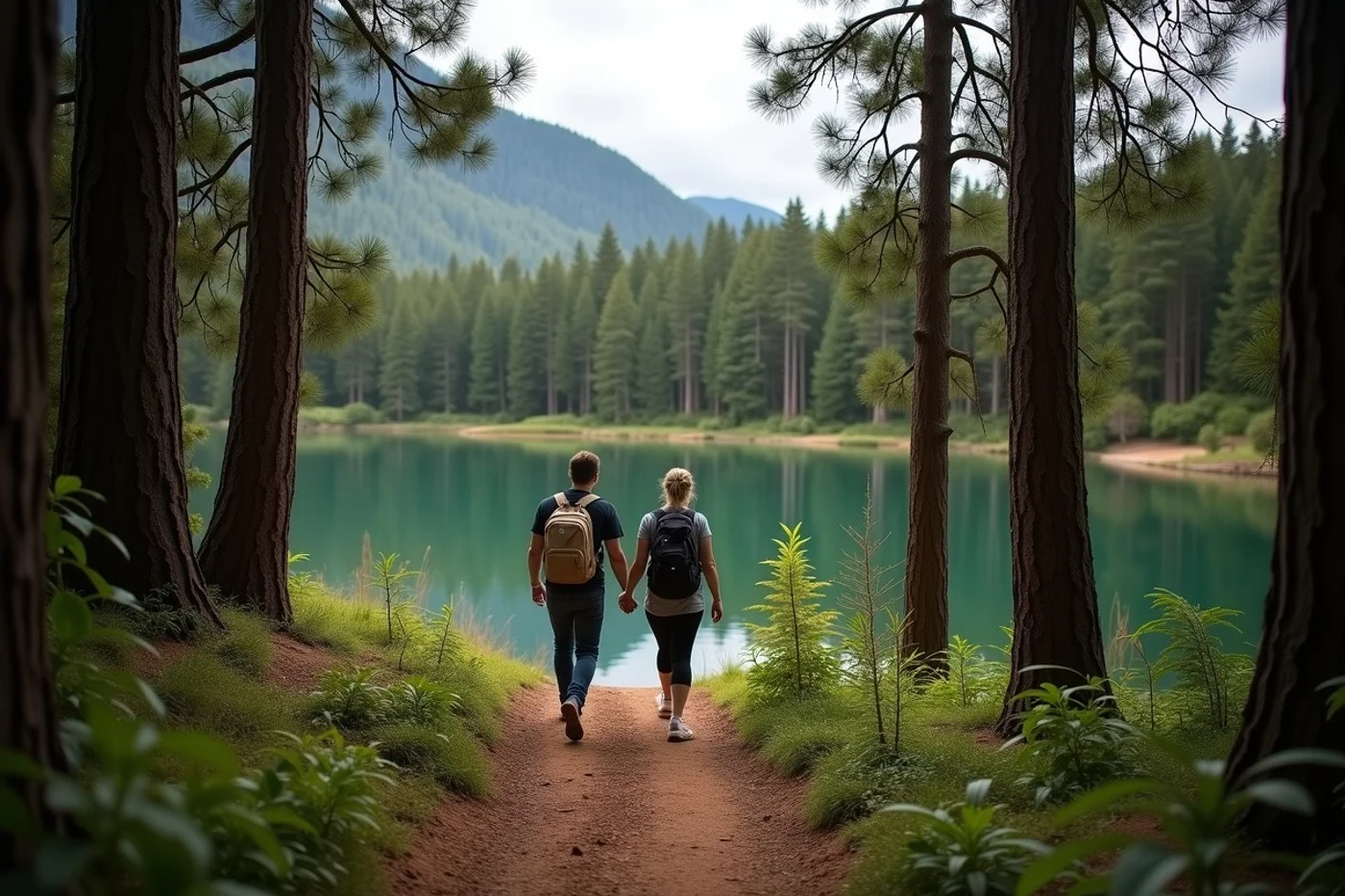
A waterfront path, public garden, beach promenade, local market, easy trail, or scenic public space gives a first date a shared focus without demanding constant eye contact. Choose a route with places to pause and a clear endpoint, and keep the setting public and familiar to both people. Markets suit dates that benefit from movement and browsing; gardens and coastal paths suit a quieter pace.
Check the forecast, wind, heat, surface conditions, and daylight before confirming. Ask what distance, steps, slopes, and pace feel comfortable, then choose an option that matches both people’s mobility and energy. A route that can be shortened is a sensible choice when the weather is changeable. Bring suitable layers, water, sun protection, or sturdy footwear when the setting calls for them.
Rainy-day dates can still feel relaxed and easy to navigate
When rain or cold changes an outdoor plan, move the date somewhere with a shared focus and room to talk. A gallery, museum, or library exhibition gives you something to discuss without requiring constant conversation. Pick a small area or a single exhibition so the visit does not become an all-day commitment.
Casual indoor games suit people who enjoy a little activity while getting acquainted. Board games, table games, or a quiet arcade provide natural pauses and reveal how comfortably you take turns, explain rules, and handle small surprises. Choose an option with seating and a manageable noise level.
Covered markets offer food, browsing, and movement under one roof. A short creative workshop adds structure, though check whether places require advance booking and whether the activity leaves enough time to talk. For a first meeting, avoid formats that keep both people occupied from start to finish; shared attention should support conversation, not replace it.
Enjoyable plans do not need a large budget
Free plans need a clear activity, not an obligation to spend. Try a self-guided public-art or heritage walk, browse a market while keeping purchases optional, or attend a free community event. These formats give you something to discuss without committing either person to a meal or admission fee.
A low-cost plan can have one paid element, such as sharing a dessert, choosing one casual snack, or visiting a small attraction with a modest entry charge. Agreeing on the spending limit before meeting prevents awkwardness, especially when one person expects a free outing and the other has planned several purchases.
Check the full cost before confirming: public-transport fares, fuel or parking, entry, booking requirements, minimum spends, and equipment hire can change the total. Free events may still need registration, while a self-guided activity usually needs no booking. Keep payment arrangements simple by ordering individually or agreeing beforehand how shared costs will be handled.
Check access, travel, and alternatives before confirming
Before confirming the date, check the route and venue against the access needs involved. Look for step-free entry, suitable seating, accessible toilets, manageable walking distances, and surfaces that work for mobility aids. Mention any requirement that affects your comfort, such as avoiding stairs or needing a quieter meeting point. The other person should know enough to choose a setting that works for both of you.
Choose a meeting point that is easy to identify, close to the relevant public-transport stop, and usable if one person arrives first. Check the journey time, transfers, parking options, walking route, and the last practical service home. Each person should have their own way to leave, with no expectation that a new date will provide a lift. A central public location also reduces confusion when plans change.
Weather, delays, access problems, or a change of energy can disrupt an otherwise sound plan. Name a nearby alternative before the date, and decide how you will handle a cancellation or late arrival. Keep the first meeting simple enough to end without awkwardness: either person can say they are ready to head home and take a separate journey. Let a friend know the general plan if that helps you feel settled, especially when meeting someone for the first time.
Before sending the invitation, agree on the meeting point, expected duration and how each person will get home. Pick one main activity and one nearby backup, check any booking or entry requirements, and leave enough flexibility to finish comfortably if the connection is not right.