
Free date ideas in New Zealand include waterfront walks, public gardens, beaches, short nature trails, photography challenges, library visits and self-guided local exploring. The best choice matches the weather, your energy, access needs and how well you know each other. A short walk with a warm indoor backup often works better than an ambitious itinerary, especially for a first meeting. Check transport, parking, shelter and food costs before calling a plan completely free.
Explore outdoors without turning the date into an endurance test
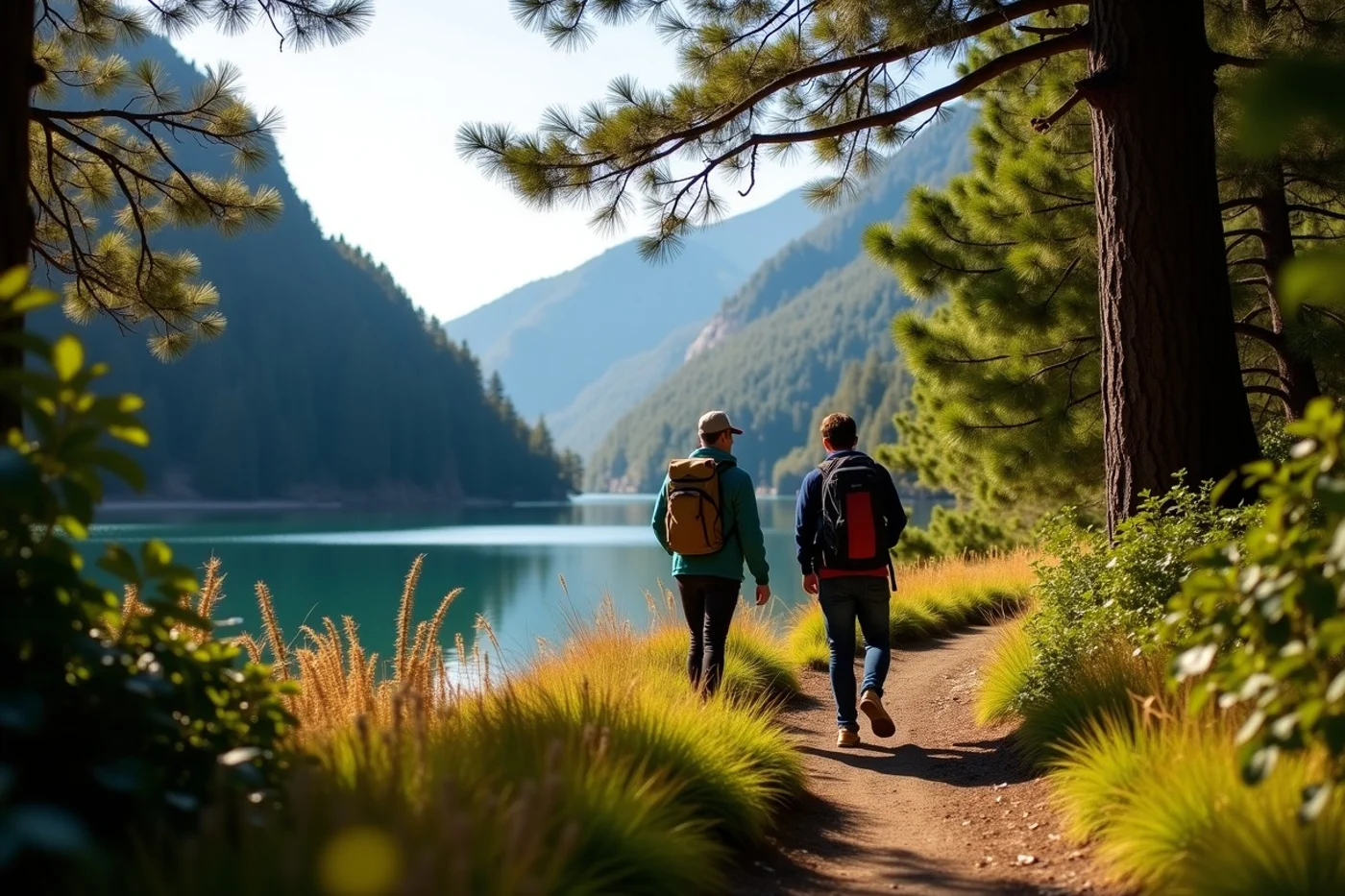
A waterfront walk, beach stroll or visit to a public garden gives you room to talk without requiring a packed itinerary. Choose a short, familiar route with places to pause, and let the date last as long as the conversation does. A scenic picnic spot also works when you bring what you already have and focus on the setting, not a paid activity.
Short nature trails suit two people who enjoy moving but do not want a full-day outing. Check the distance and terrain before setting off, then choose an easy loop or an out-and-back walk with a clear stopping point. For a gentler version, sit near the trailhead and watch the landscape, birds or passing walkers while you talk.
Add a small challenge when a plain walk feels too quiet: photograph unusual textures, find the best view, sketch the same object, or make a shared list of striking colours. Keep the challenge playful and optional. A date should not become a fitness test, so a promenade, flat park path or beach lookout is a better choice than a steep track when your interests or energy levels differ. Public spaces with no admission charge keep the activity free; bring clothing suited to the conditions and leave room to change plans if the setting becomes uncomfortable.
Keep a weather-proof activity ready for rain or strong wind
A free gallery visit gives the date a natural rhythm: look at one room together, choose a piece each, then compare what caught your attention. Public libraries offer another calm setting, with exhibitions, reading areas and occasional talks or workshops that do not require a purchase. Check the venue’s current programme before travelling, since free access and event availability vary.
Covered public spaces work well when conversation matters more than entertainment. Browse a library display, sit in a civic foyer, or find an indoor public area where you can share music, travel ideas or a small sketching exercise. Keep the activity light; a first meeting should not feel like a scheduled class.
Bring a shared creative prompt for a date with no organised event: draw the same object, make a collage from paper already at home, build a playlist together, or trade three favourite photographs on your phones. Agree that either person can pause or leave without awkwardness. That small amount of structure prevents a rainy-day plan from becoming two people silently waiting for the weather to improve.
Adapt free dates to cities, small towns and rural communities
Cities offer the widest range of public settings, yet a date does not need a packed itinerary. Choose one neighbourhood and give yourselves a self-guided prompt: spot public art, unusual street names, older façades, or details that show how the area has changed. A civic square, waterfront route, or public-facing market area supplies conversation without a booking or a fixed schedule.
Small towns reward a narrower focus. Meet near a recognisable local landmark, then create a three-stop route using places that reveal something about the town: a memorial, an old railway feature, a noticeboard, a public mural, or a view across the main street. Check community listings for an event that states there is no admission charge, and confirm the details with the organiser before suggesting it. When nothing is on, compare the local details each of you notices first; the activity gives the conversation shape without forcing it.
In rural communities, pick a publicly accessible landmark that both people know and set a defined activity around it. You might trace the settlement’s layout on a map, look for evidence of its farming, rail, or coastal history, or take turns choosing one feature worth learning more about later. Keep the plan specific enough that neither person is left wondering what happens after the greeting. A short shared exploration usually feels more intentional than an open-ended meet-up with no focal point.
Check whether a supposedly free plan has hidden costs

Free admission does not make a date free once getting there requires petrol, a fare or parking. A distant beach or lookout can become the day’s largest expense, especially when each person drives separately. Equipment creates another leak: hiring bikes, buying bait, replacing forgotten sunscreen, or picking up coffee because the walk runs long.
Keep the plan no-spend by choosing a place both people can reach on foot, by bicycle they already own, or without a paid trip. Meet at the activity, agree not to buy extras, and select something that needs only items already at home. Water, a jacket, phone charge and any needed gear prevent a convenience purchase.
Name the boundary plainly in the invitation: “I’m keeping this a no-spend date—shall we walk around the area for an hour and bring our own water?” It removes uncertainty around who pays and leaves room for either person to suggest a different plan.
Choose an option that matches mobility, energy and sensory needs
Comfort is part of a good free date. A low-energy option might be a seated conversation in a calm public space, or a short flat loop with a bench as the natural turning point. Set an initial window of 30 to 60 minutes, with extra time available only if you both feel like continuing.
The details matter more than the activity label. Check the surface underfoot, steps or slopes, distance from the entrance to seating, toilet access, shelter, crowd noise and lighting. A scenic spot loses its appeal when one person has to stand throughout, navigate loose gravel, or compete with loud traffic to talk.
Choose somewhere with an easy exit and no pressure to keep going: a place close to a familiar route home, with seating nearby and a clear endpoint. In the invitation, name the shape of the plan: “Would a short, quiet catch-up somewhere with seats work for you?” That gives the other person room to suggest a different setting or pace without explaining personal health details.
Confirm the practical details before you meet
- Set one unmistakable meeting point: the entrance, a landmark, or a specified corner. Include a meeting time and a natural finish, such as “Let’s meet at 2 and head off by 3.30.” A defined window keeps a first meeting relaxed.
- Agree on the weather decision before the day. For example: “If it is wet or windy, let’s switch to a free indoor browse or postpone.” Check the forecast close to departure, then send one short confirmation message.
- Dress for the plan, not for an imagined perfect date. Outdoor plans call for layers, comfortable shoes and sun or rain protection as conditions suggest. Each person should bring their own water, especially where there is no nearby refill point.
- Sort out transport separately. State whether you are walking, cycling, driving or using public transport, where you will leave from, and how you expect to get home. Meeting at the activity avoids an awkward pick-up arrangement.
- Be explicit about food. A no-spend date works best when nobody arrives expecting a meal: “I’ll have eaten beforehand and will bring water.” For a longer outing, agree in advance whether each person is packing their own snacks or whether food is outside the plan.
Choose one main activity, set a comfortable end time and name a backup before you meet. Bring water, suitable clothing and any food you have agreed to supply. For lower-energy dates, pick a place with seating, toilets, shelter, manageable terrain and an easy way to leave. When travel costs would outweigh the value of the activity, look for a public space closer to home.